ADMISSIONS OPEN 2026 - 2027

Excellence in Clinical Training

Providing state-of-the-art simulation and practical facilities for our nursing students to master essential clinical skills.
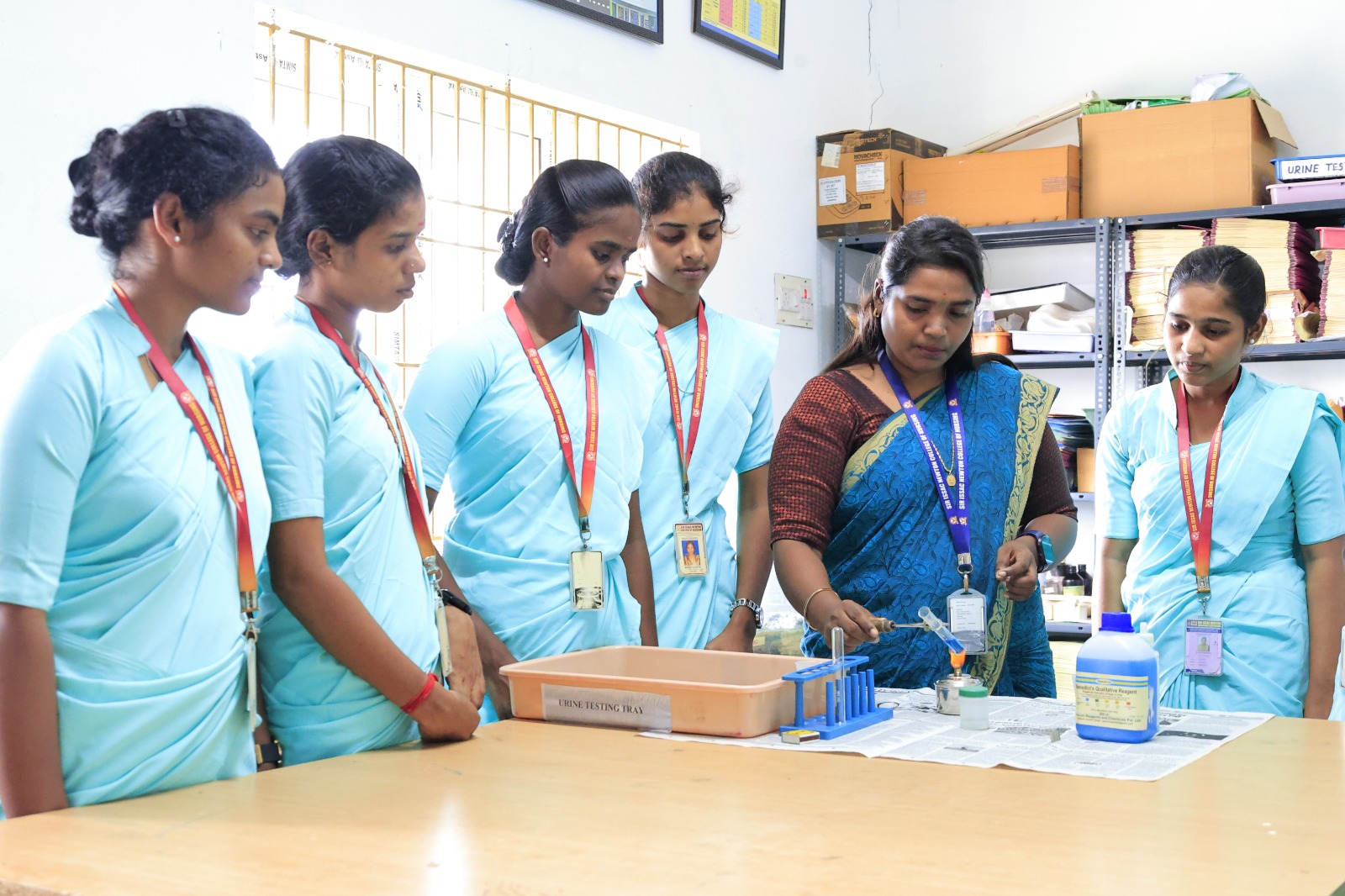
Nutrition Lab

Nutrition Lab

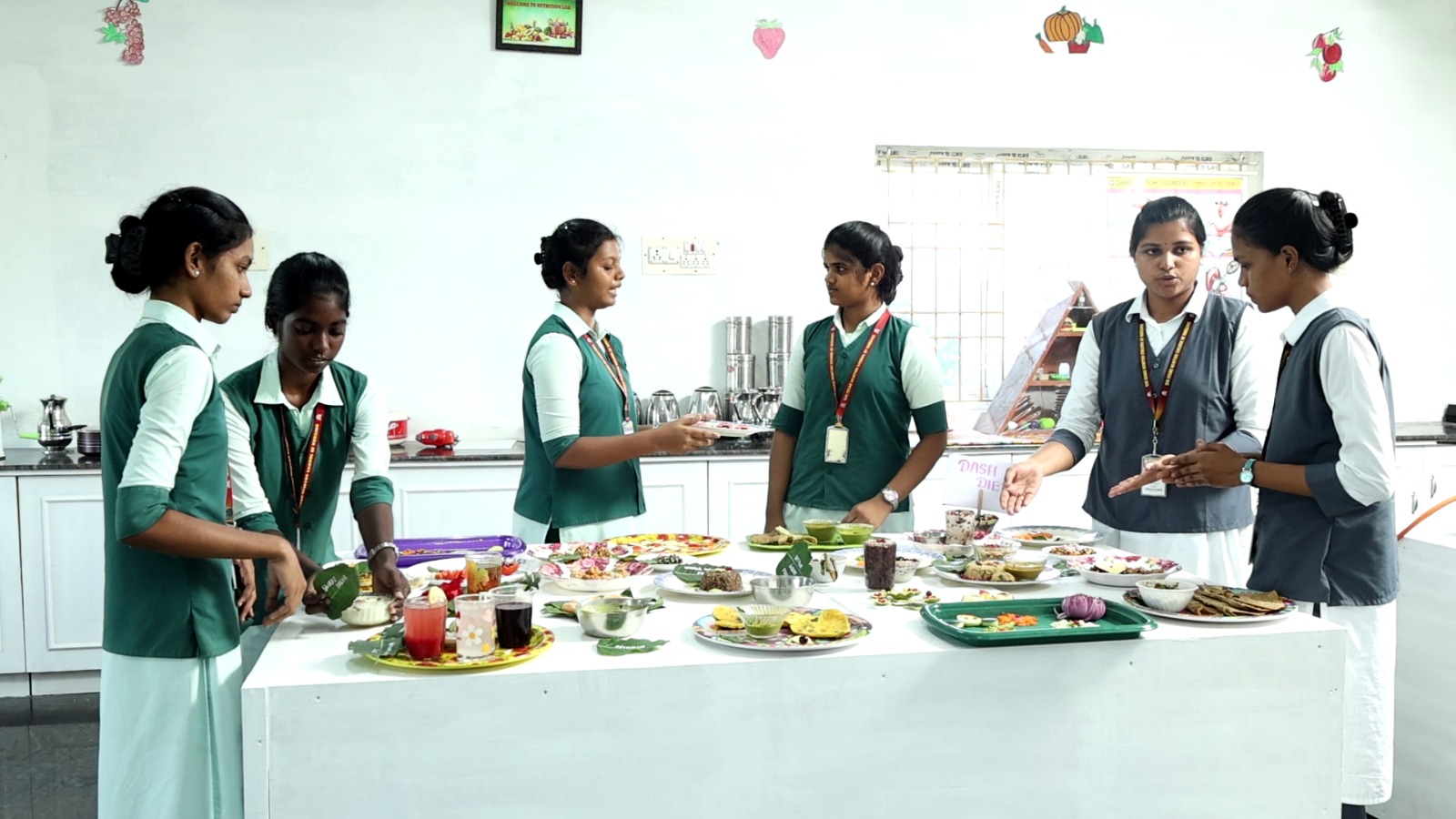
  • Understand classification, functions, and sources of nutrients (CHO, Proteins, Fats, Vitamins, Minerals).
  • Learn recommended daily allowances.
  • Study sources, functions, and requirements of water and electrolytes.
Anatomy Lab

Anatomy Lab

  • Apply accurate anatomical terminology.
  • Understand body organization: cells to systems.
  • Identify bones, muscles, organs, nerves, and vessels.
  • Study structure-function relationships through dissection and visual aids.
  • Apply anatomy in clinical settings (e.g., surgery, diagnosis).
  • Gain experience with dissection tools and specimens.
Community Lab

Community Lab

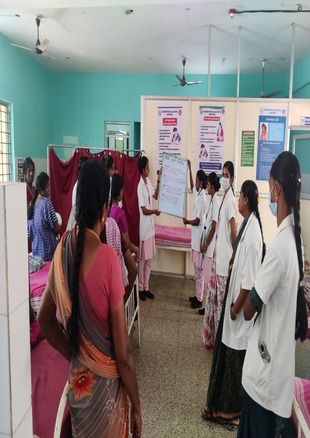
  • Train in procedures for home visits and community healthcare.
  • Improve health through care and health education programs.
  • Develop skills to work in diverse community settings (urban/rural).
  • Enhance problem-solving and decision-making in simulated environments.
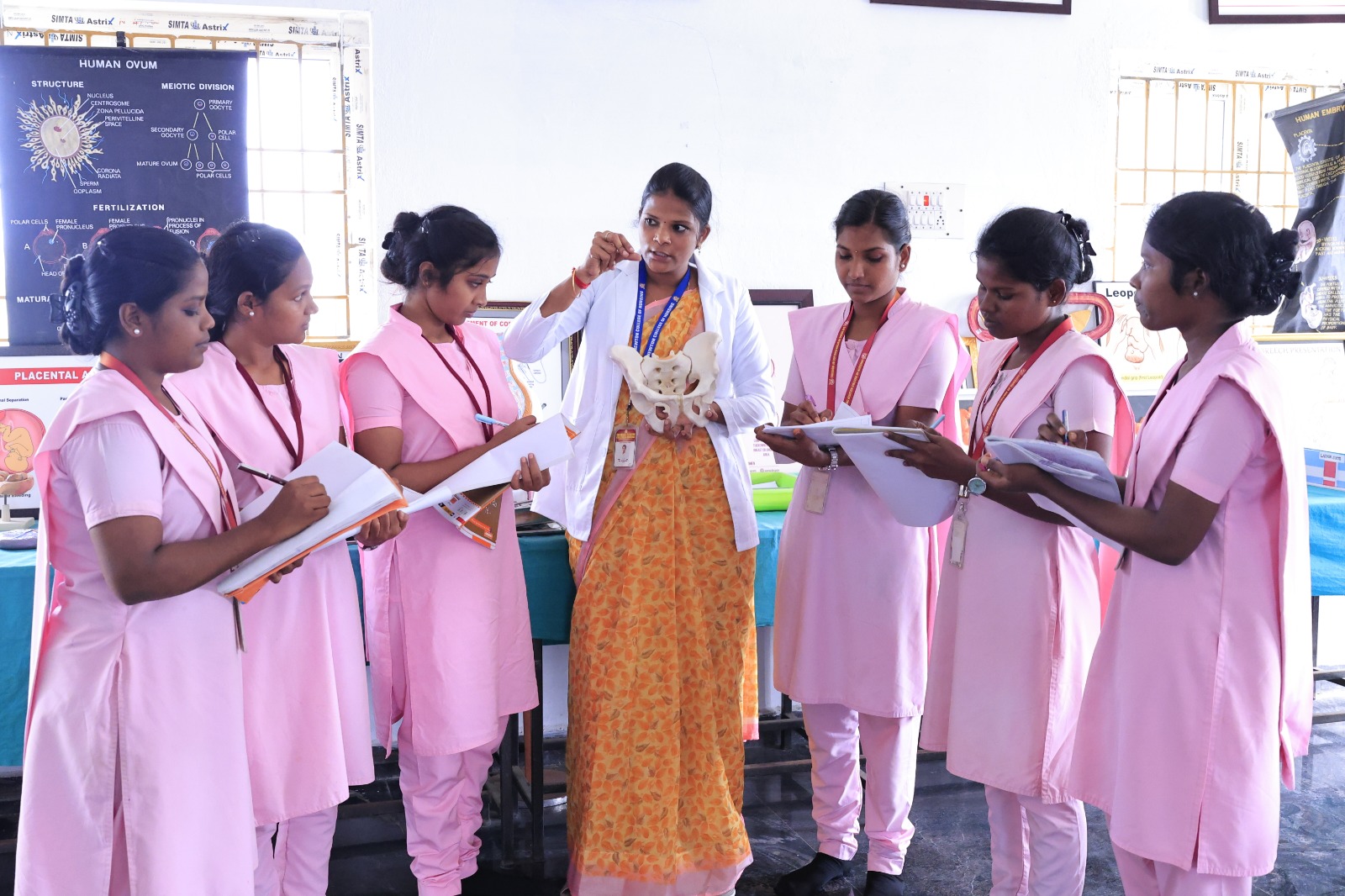
MCH Lab

MCH Lab

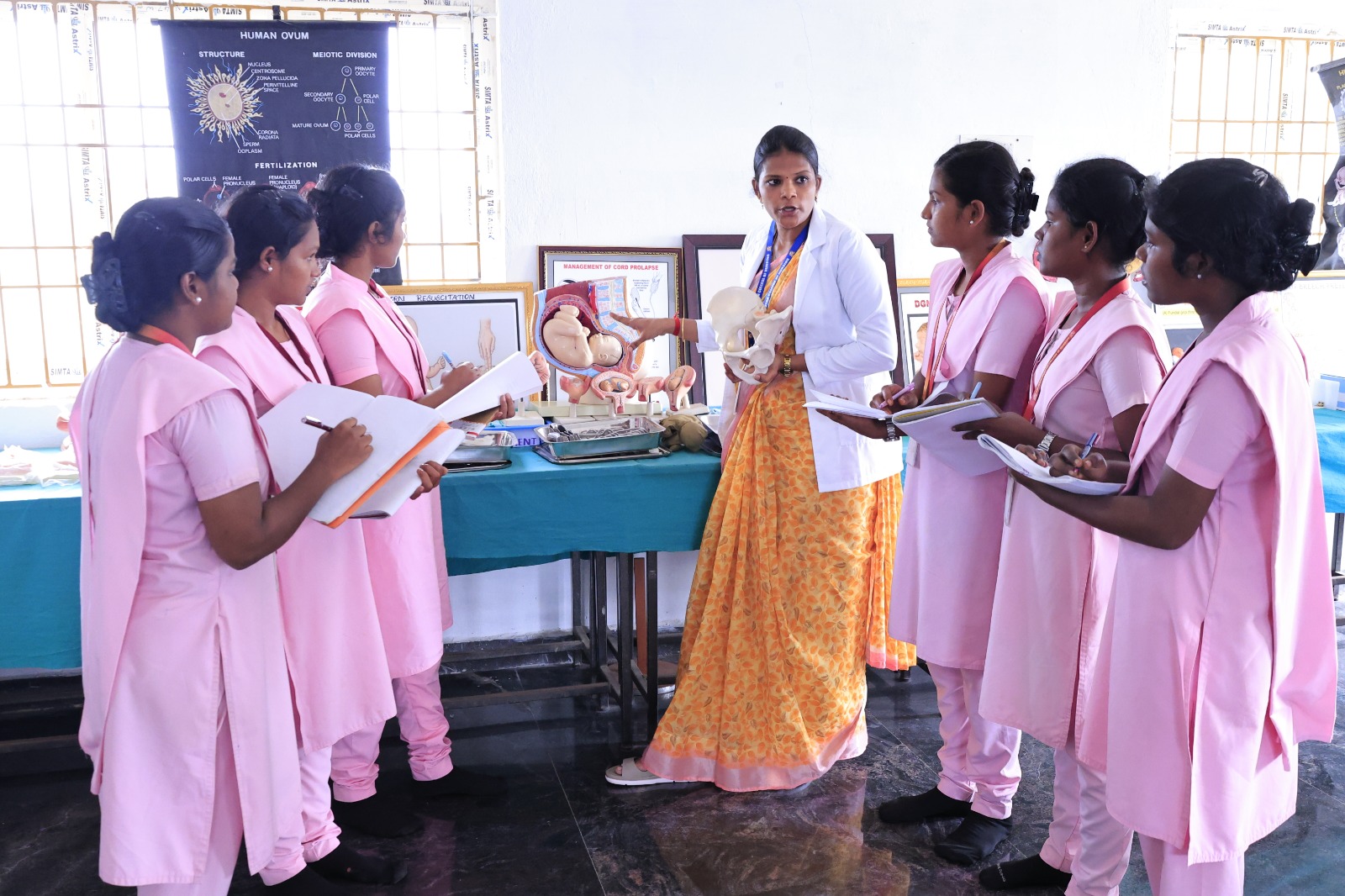
  • Provide skills in obstetric & gynecological nursing.
  • Use simulation technology for practical training.
  • Increase preparedness before hospital placement.
  • Train in caring for mothers and children during physiological or pathological events.
  • Offer hands-on learning in line with curriculum goals.
Medical Surgical Lab

Medical Surgical Lab

  • Provide basic and advanced nursing skills for adult care.
  • Develop skills in handling advanced technology and equipment.
  • Facilitate transition to real clinical settings.
  • Enhance understanding of comprehensive adult patient care.
  • Improve teamwork and communication abilities.
  • Provide hands-on learning aligned with course objectives.
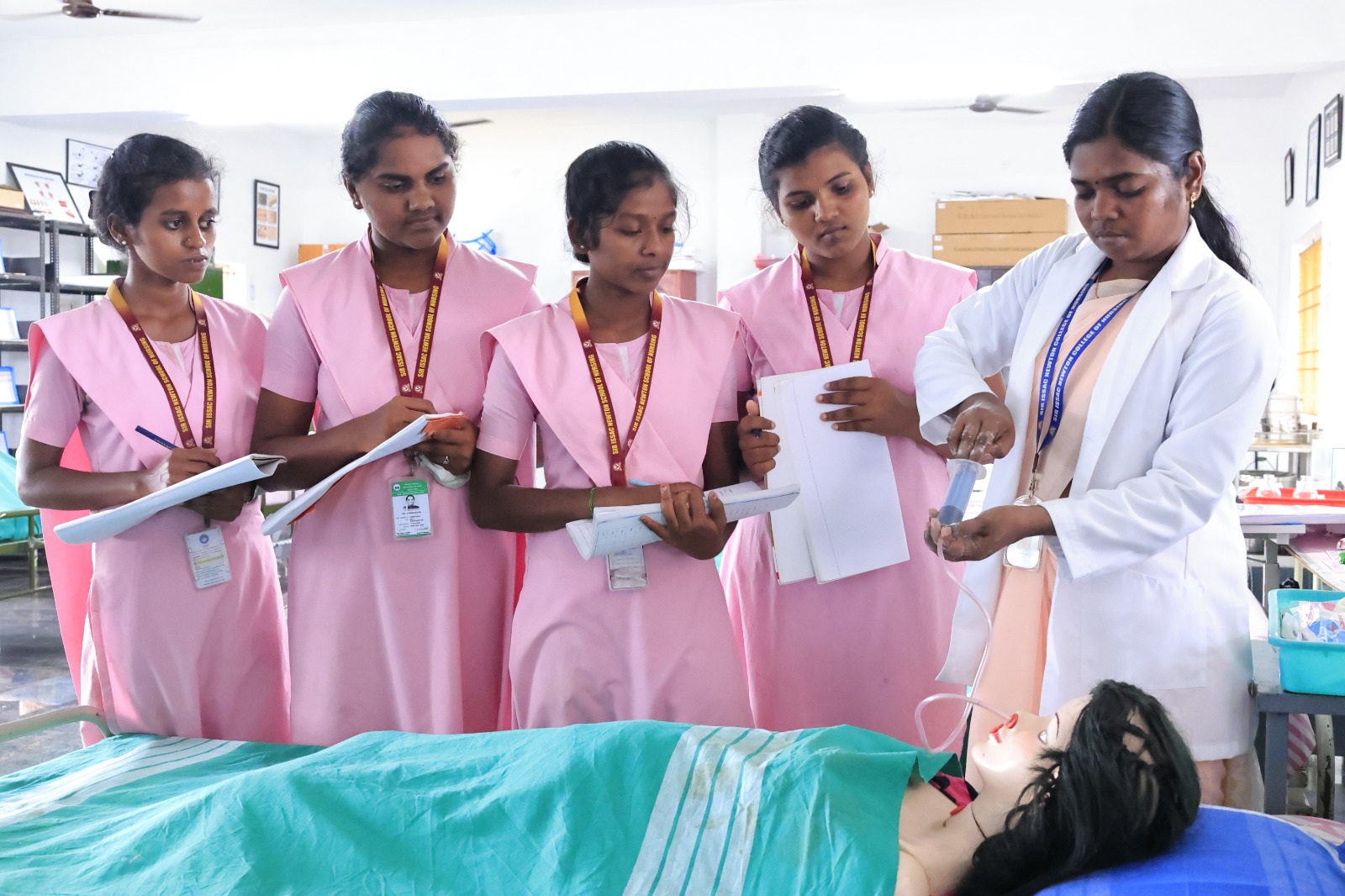
Nursing Foundation Lab

Nursing Foundation Lab

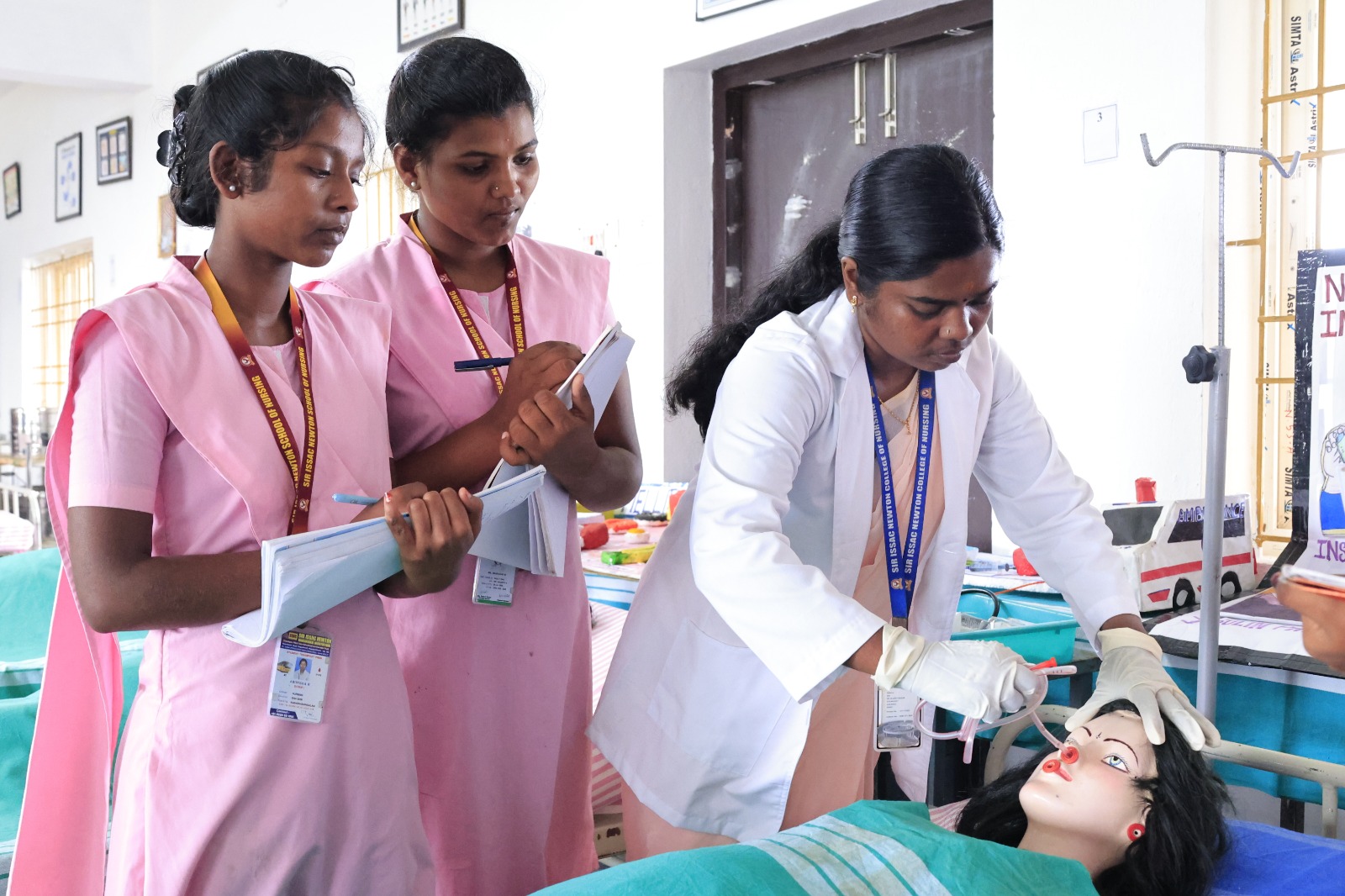
  • Reinforce learning through practicing Nursing foundation procedures.
  • Provide hands-on training experiences specific to course objectives as per curriculum.
  • Prepare educational materials for awareness in hospitals and communities.
  • Train students before hospital exposure.
  • Offer independent learning opportunities.
  • Promote evidence-based practice through novel research applications.